Things to Do in Shenzhen
Silicon Valley by day, night market by neon, and a skyline built in forty years.
Top Things to Do in Shenzhen
Find activities and tours you'll actually want to do. Book through our partners -- no booking fees.


Plan Your Trip
Essential guides for timing and budgeting
Climate Guide
Best times to visit based on weather and events
View guide →Day Trips
The best excursions and nearby destinations worth the journey
Explore day trips →Where to Stay
Best neighbourhoods, hotel picks, and booking tips
Find hotels →Travel Insurance
What's required, what coverage matters, and how to get a quote
Read guide →What to Pack
Climate-specific gear, essentials, and what to leave at home
See packing list →When Should You Visit Shenzhen?
Tap a month for weather, crowds, and highlights
View full year-round climate guide →Your Guide to Shenzhen
About Shenzhen
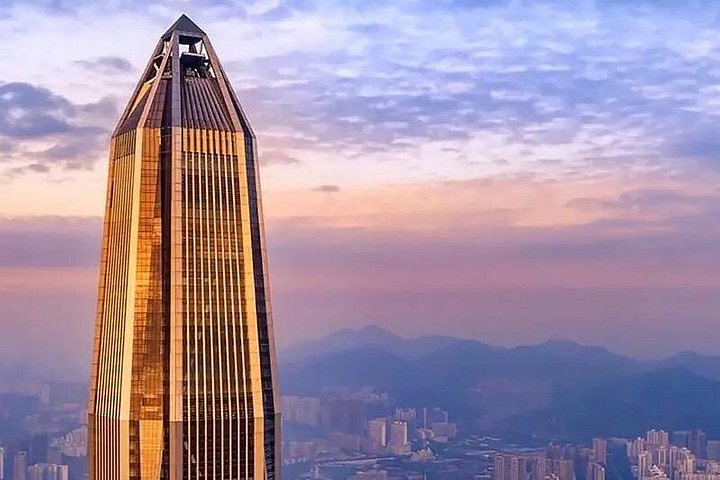
Shenzhen feels new because it is. The humid, ozone-charged air smells of concrete dust, solder, and the sharp sweetness of roasting chestnuts drifting from a vendor outside Huaqiangbei Electronics Market. Ten floors of pure electronics bazaar. Grab one microchip or build a whole smartphone. The city runs on velocity. Futian CBD's glass-and-steel canyons, towers like the Ping A Finance Centre stabbing through subtropical haze, rose from fishing villages within a working lifetime.
The trade-off is ruthless newness. History hides in retro-futurism: the miniature Eiffel Tower at Windows of the World theme park, or the preserved Hakka walled villages like Dapeng Fortress, gray brick against endless sprawl. Feel the city's pulse in its contradictions. Silent, air-conditioned Foxconn factory tour versus deafening, joyful chaos of Dongmen Pedestrian Street at 8 PM.
Teenagers queue for bubble tea beside silk qipao stalls. A bowl of wonton noodles in fluorescent-lit Baishizhou, the last urban village, costs 20 RMB (about $2.80). Humble counterpoint to 300 RMB (about $42) molecular tasting menus in Shekou's design district. Shenzhen is less about what it was, more about what it's becoming right now, in front of you.
Travel Tips
Transportation: Your first stop should be a metro station kiosk to buy a Shenzhen Tong card. Works on every subway line, most buses, even the yellow Didi bikes stacked on every corner. Load it with 100 RMB (about $14) and you're set. The metro itself is a clean, efficient marvel. It shuts down just after midnight. That's when Coco Park's club scene ignites. The fix is DiDi, China's ride-hailing app. Download and verify before arrival. Foreign credit cards can be tricky. Avoid unlicensed 'black taxis' lurking outside Louhu Port from Hong Kong. They'll quote triple the meter rate for a trip that costs 40 RMB (about $5.60) on the meter.
Money: Cash is now the exception, not the rule. Your daily reality will be scanning QR codes with WeChat Pay or Alipay. Setting these up with a foreign card is a multi-step headache. Do it before you land. Once operational, you can pay for everything from a 3 RMB (about $0.40) steamed bun to a department store splurge. Always keep a few hundred RMB in small bills. Older market vendors in Luohu need them. Occasional stubborn taxi driver too. ATMs are plentiful. Notify your bank first. Classic tourist pitfall: forgetting that 'bargaining' is for markets like Dongmen. Not for fixed-price stores in KK Mall or MixC.
Cultural Respect: Shenzhen is arguably China's most forward-facing city, but it's still in China. The pace is fast and transactional, in business districts like Nanshan. A little courtesy goes a long way. When handing over a business card or payment, use both hands. Small gesture. Big impact. Mandarin is the lingua franca. You'll hear Cantonese and local dialects. Try a simple 'nei ho' when entering a local cha chaan teng. Ice broken faster than Mandarin. One surefire way to cause offense: openly discussing politics or Hong Kong. The city's proximity to the SAR makes it sensitive. Keep conversation to food, tech, and staggering urban development instead.
Food Safety: Shenzhen's food scene is a delicious dare. Rule of thumb: look for the queues. Crowds of locals at a street-side stall in Bao'an District for clay pot rice. Hole-in-the-wall in Futian for Chaoshan-style beef hotpot. Best hygiene endorsement. Food is typically cooked to order at searing temperatures. Be cautious with pre-cut fruit from street vendors. Unrefrigerated dairy products too. For the wary, countless food courts like the one in卓越INTOWN mall basement offer variety in cleaner, less atmospheric settings. Don't miss the local specialty, Shajing oysters. Ensure they're freshly grilled in front of you. Your stomach might protest the richness of morning dim sum. It's a protest worth lasting.
When to Visit
Shenzhen's weather is subtropical. Two forces dominate: humid, often unbearable heat and torrential summer rains. Sweet spot is late autumn and early spring. October through December is arguably perfect. Daytime temperatures sit at a comfortable 22-28°C (72-82°F). Humidity drops. Skies are often clear and blue. Good for hiking Wutong Mountain for skyline views.
Peak convention season. Hotel prices in Futian and Nanshan can be highest, sometimes 30-40% above yearly average. January and February are cool, around 15-20°C (59-68°F). Can be damp and overcast. Coincides with Chinese New Year when the city empties out. Many shops close. Flights become expensive and packed. Then comes the <em>meiyu</em> (plum rain) season from April to June.
Air feels like a warm, wet towel. Downpours are sudden and dramatic. True test is July to September. Temperatures soar to 32-35°C (90-95°F) with 90% humidity. Typhoons can sweep in from the South China Sea. Transport shuts down for a day or two. Low season for a reason. Hotel prices can drop by half. You'll navigate between air-conditioned havens.
Handle sauna-like conditions and you'll have Dameisha beach mostly to yourself. Great deals on massages and metro-adjacent rooms.
More Ways to Experience Shenzhen
Tours, day trips, and local experiences curated by on-the-ground operators.
Didn't see anything interesting yet?
Browse Viator's full catalog of tours, day trips, food experiences, and private guides in Shenzhen.
See All Shenzhen Tours on Viator